Si vous êtes déjà passé devant une maison grecque pendant un week-end ou entré dans un restaurant de souvlaki animé à Montréal, vous avez probablement remarqué une chose immédiatement : le bruit. C’est le son des rires forts, des verres qui s’entrechoquent et des conversations constantes. Mais en y regardant de plus près, vous verrez que le véritable point central de toute cette énergie est la nourriture. Dans les traditions culinaires grecques, une table n’est jamais seulement un endroit où manger. C’est un espace sacré où les amitiés se construisent, les liens familiaux se renforcent et la vie est célébrée dans son sens le plus littéral.
Pour comprendre l’importance de la nourriture dans la culture grecque, il faut réaliser que pour les Grecs, un repas est une forme de communication. C’est ainsi que les gens expriment l’amour, le respect et l’hospitalité. On ne nourrit pas quelqu’un seulement pour apaiser sa faim ; on le nourrit pour lui montrer qu’il fait partie de sa tribu.
Filoxenia : Plus Que Le Simple Fait D’Être Un Bon Hôte

Le fondement de toutes les célébrations grecques est un concept appelé filoxénia. Bien que ce mot soit souvent simplement traduit par hospitalité, son sens littéral est bien plus profond : il signifie l’amour des étrangers. Cette valeur ancienne stipule que toute personne qui franchit votre porte doit être traitée comme un roi ou une reine, et la principale façon de le faire est par une abondance de nourriture.
Dans un foyer grec, la pire chose qu’un hôte puisse imaginer est qu’un invité voie le fond de son assiette. C’est pourquoi les portions sont réputées généreuses. Qu’il s’agisse d’un petit anniversaire ou d’une grande réunion de quartier, l’objectif est toujours de proposer bien plus que suffisamment. Cet esprit de générosité est exactement ce que nous cherchons à recréer chez restaurant de souvlaki à Montréal. Lorsque vous nous rendez visite, vous ne recevez pas simplement une portion de protéines calculée ; vous faites l’expérience de ce désir traditionnel grec de s’assurer que chaque invité reparte entièrement satisfait.
La Puissance De La Parea : Pourquoi Nous Restons Assis Pendant Des Heures
Dans de nombreuses régions d’Amérique du Nord, manger est devenu une tâche fonctionnelle. Nous mangeons à nos bureaux, dans nos voitures ou devant la télévision. Cependant, les repas et rassemblements traditionnels grecs rejettent entièrement cette idée. Les Grecs ont un mot spécifique pour désigner le groupe de personnes avec lesquelles ils se réunissent : la parea.
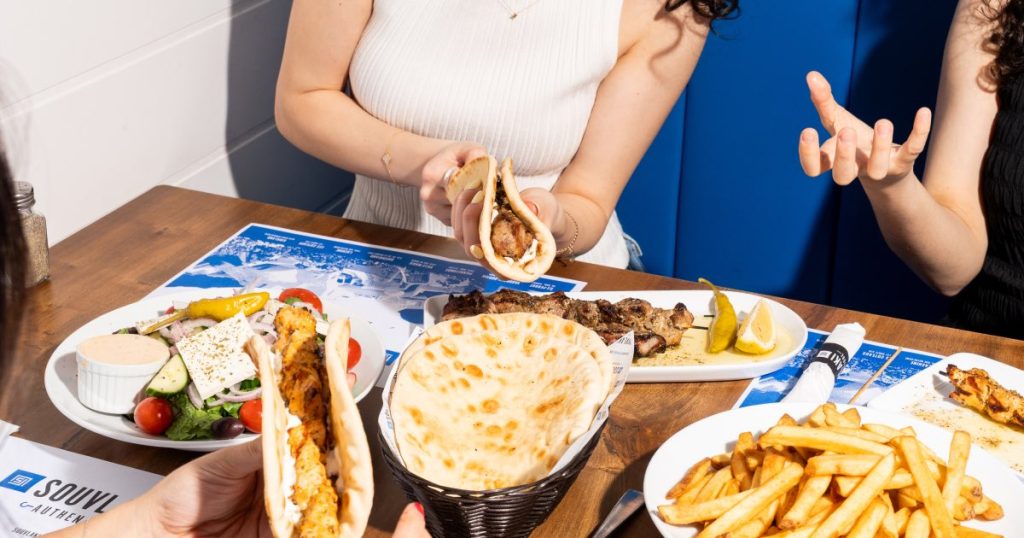
Une parea est un cercle d’amis qui se réunit régulièrement pour partager sa vie. La nourriture sert de lien pour ce groupe. Lorsqu’une famille grecque s’assoit pour manger, elle ne prévoit pas de partir au bout de trente minutes. Un repas de célébration est un marathon, pas un sprint. Il commence par de petites assiettes d’entrées, se poursuit avec des viandes grillées comme le souvlaki et les keftedes, et se termine par du café et des douceurs.
Ce rythme lent des repas est en réalité une forme de bien-être. Il permet aux gens de vraiment se déconnecter du stress du travail et de se reconnecter avec les personnes qui comptent le plus. La table devient un lieu où les histoires sont racontées, les conseils sont donnés et les souvenirs sont créés. C’est cette atmosphère particulière de connexion qui rend les traditions culinaires grecques si accessibles et attrayantes pour les gens du monde entier.
Le Standard De Yiayia : La Qualité Est Un Signe De Respect

L’un des aspects les plus révélateurs de la culture grecque est le rôle de la matriarche, ou yiayia (grand-mère). Dans une famille grecque, la yiayia est la gardienne de la qualité. Elle ne croit pas aux raccourcis, aux ingrédients transformés ni aux substituts surgelés. Pour elle, servir quelque chose qui n’est pas frais serait une insulte envers les invités.
Ce niveau d’exigence élevé est quelque chose que nous prenons très au sérieux chez restaurant de souvlaki à Montréal. Nous croyons que si vous célébrez avec votre famille dans notre restaurant, vous méritez la même qualité que celle que l’on trouve dans une cuisine familiale traditionnelle. C’est pourquoi nous insistons sur des viandes jamais congelées et des salades préparées à la main. L’utilisation d’ingrédients frais et de haute qualité est notre manière de montrer du respect pour les traditions que nous représentons. Lorsque la nourriture est simple, la mauvaise qualité ne peut se cacher nulle part. Tout doit être parfait.
Le Menu De La Joie : Nourrir Le Glendi
En Grèce, une grande fête est souvent appelée un glendi. Ce sont des événements très énergiques, remplis de musique et de danses traditionnelles. On ne peut pas maintenir ce niveau d’énergie avec une simple collation. C’est pourquoi les célébrations grecques mettent l’accent sur des plats copieux, riches en protéines, qui permettent de garder l’enthousiasme au plus haut.
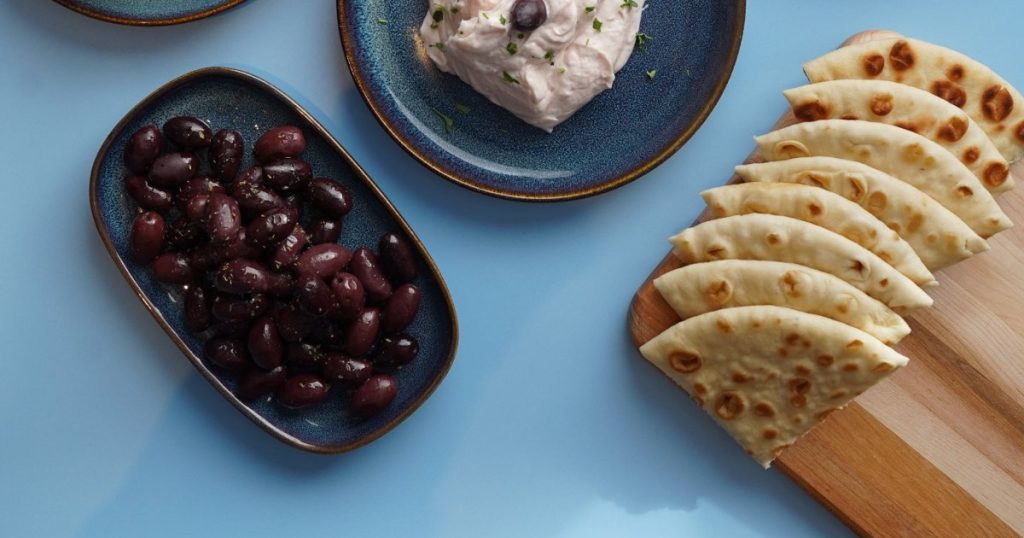
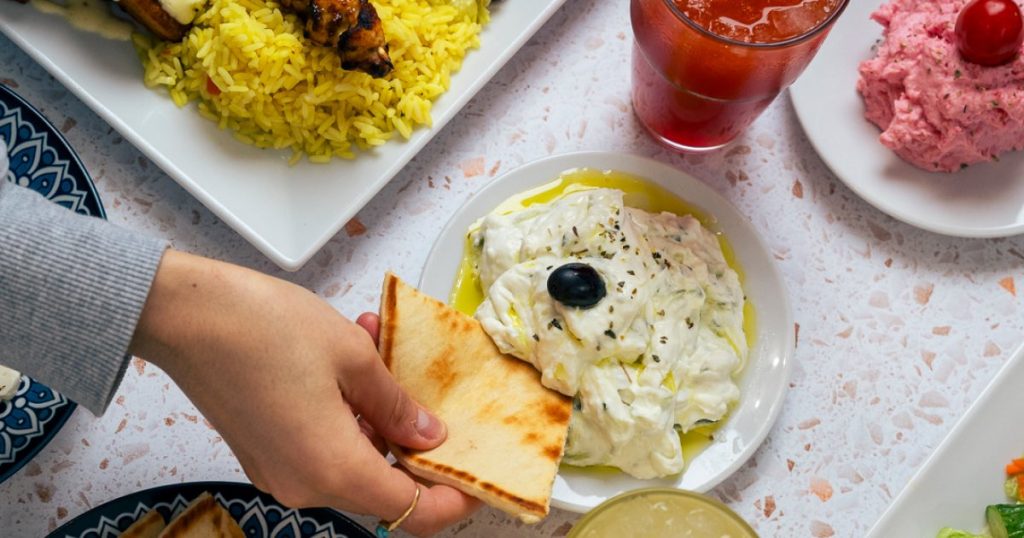
Les stars de ces célébrations sont presque toujours les classiques grillés. Des brochettes de souvlaki coupées à la main, des boulettes de viande assaisonnées et des pommes de terre rôties au citron sont les plats réconfortants qui alimentent la joie. Ces plats sont faciles à partager, ce qui est un autre élément clé de la culture. La cuisine grecque est rarement servie dans des assiettes individuelles et isolées. Elle est plutôt placée au centre de la table afin que chacun puisse se servir. Ce mode de repas « à la familiale » enlève le côté formel du repas et fait en sorte que tout le monde se sente sur un pied d’égalité.
Conclusion
Au bout du compte, si la nourriture est le cœur de chaque célébration grecque, c’est parce que les Grecs comprennent une vérité fondamentale : la vie est meilleure lorsqu’elle est partagée. Les repas et rassemblements traditionnels grecs nous rappellent de ralentir, de mettre de côté nos téléphones et de profiter du simple plaisir d’un bon repas et d’une bonne conversation.
Si vous cherchez le meilleur restaurant grec à Montréal pour organiser votre prochaine réunion de famille ou simplement pour savourer un repas frais et authentique, venez nous rendre visite. Nous vous invitons à prendre place, à commander une sélection de nos plats authentiques et à découvrir par vous-même pourquoi la table grecque est l’endroit le plus heureux où être.
Rassemblez vos amis et votre famille et rejoignez-nous dès aujourd’hui chez Souvlaki Authentique. Laissez-nous vous aider à transformer un simple repas en une célébration de saveurs fraîches et de bonne compagnie.
FAQ
Q1. Pourquoi la nourriture est-elle si centrale dans les célébrations grecques ?
Dans les traditions culinaires grecques, un repas est un langage d’amour et de respect. C’est la principale façon pour les familles de se connecter, de résoudre leurs différends et de montrer leur hospitalité. On ne peut pas avoir de célébration sans abondance de nourriture, car pour les Grecs, une table pleine représente un cœur plein et un foyer heureux.
Q2. Que signifie la filoxénia pour un invité à dîner ?
La filoxénia se traduit par « amour des étrangers ». Dans le cadre des célébrations culinaires grecques, cela signifie qu’un hôte est culturellement poussé à traiter chaque invité comme un membre de la famille. C’est pourquoi l’on voit des portions généreuses et des offres constantes de nourriture supplémentaire ; il s’agit d’un devoir moral de s’assurer qu’aucun invité ne reparte jamais affamé.
Q3. Pourquoi les repas traditionnels grecs prennent-ils autant de temps à être consommés ?
Un repas traditionnel est centré sur la parea, un groupe d’amis qui partagent leur vie. Contrairement à la culture de la restauration rapide, les repas et rassemblements grecs traditionnels sont conçus comme des rituels lents. La table est un lieu de récits et de connexion, donc la nourriture est servie de manière à encourager les gens à s’asseoir et à discuter pendant des heures.
Q4. Est-il traditionnel de partager les plats dans la culture grecque ?
Oui, la plupart des traditions culinaires des célébrations grecques reposent sur un repas de style familial. Au lieu de portions individuelles, de grands plats de souvlaki, de salades et d’accompagnements sont placés au centre de la table. Cette disposition fait tomber les barrières et transforme le repas en une expérience collective et partagée pour tous les convives.
Q5. Où est-il préférable de découvrir ces traditions au Québec ?
Pour trouver le meilleur restaurant grec à Montréal qui respecte ces valeurs, visitez Souvlaki Authentique. Nous donnons vie à l’esprit de la table grecque dans chacun de nos 7 établissements, en utilisant des ingrédients frais, jamais congelés, et les mêmes portions généreuses que vous trouveriez dans une maison traditionnelle en Grèce.