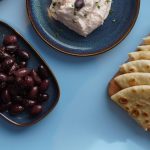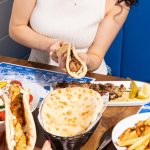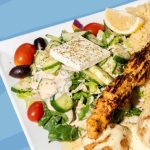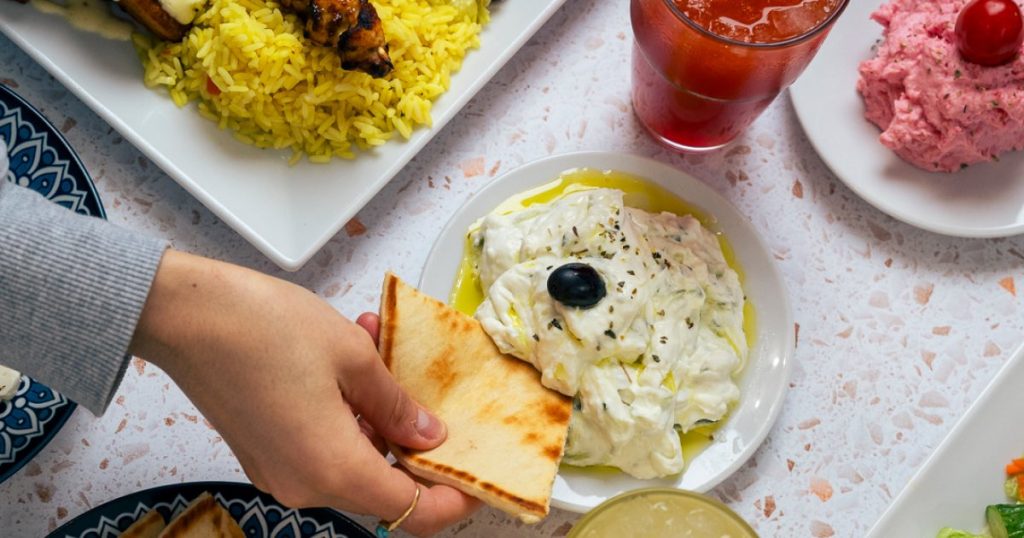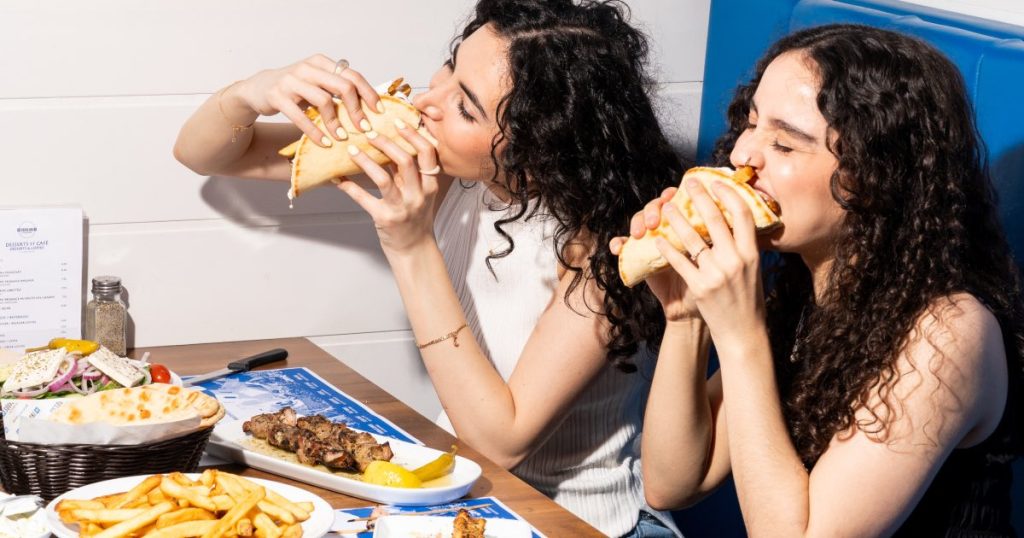
There is a specific sensory experience associated with walking past a vibrant Greek food stall. The sound of a razor-sharp knife shaving thin ribbons of meat off a vertical spit, the aroma of rendered lamb fat hitting hot coals, and the sight of steam rising from a toasted pita are iconic.
For many home cooks, the Greek gyro is the holy grail of DIY projects. However, most people fail because they treat it like a standard meatloaf. To truly understand how to make gyro at home, you have to move beyond simple mixing and embrace the science of meat emulsification.
In this guide, we will break down a professional-grade Greek gyro recipe that bypasses the need for a vertical rotisserie while delivering those coveted crispy edges and juicy interiors.
The Challenge of the Vertical Spit
The reason professional Greek gyro has that unique, tight texture is due to two factors: compression and heat. On a vertical rotisserie, the weight of the meat stacks compresses the layers, and the slow rotation allows the meat to baste in its own juices.
In a home kitchen, we have to replicate this using a food processor and a weighted cooling method. This is the secret to moving your dish from a simple burger-in-a-wrap to a legitimate piece of Greek culinary art.
The Foundation: Selecting Your Meat and Spices

You cannot have authentic Greek food without the right fat content. A traditional Greek gyro recipe usually relies on a blend of beef and lamb. Aim for an 80/20 lean-to-fat ratio. If the meat is too lean, the gyro will be rubbery and dry; if it is too fatty, it will lose its structural integrity.
The Ingredient List
- 1 lb Ground Beef (80% lean)
- 1 lb Ground Lamb
- 1 Medium Onion (pureed and drained of excess liquid)
- 4 Cloves of Garlic (minced into a paste)
- 1 tbsp Dried Oregano
- 1 tsp Dried Marjoram
- 1 tsp Dried Rosemary (crushed)
- 2 tsp Kosher Salt
- 1 tsp Black Pepper
The Secret Technique: Achieving the Perfect Texture
The most common mistake in a Greek gyro recipe is hand-mixing the meat. If you can see individual grains of meat, you are making a burger, not a gyro. To get that street-food snap, you must emulsify the meat.
- Process the Aromatics: Place your onion and garlic in a food processor and pulse until they form a fine liquid. Strain this through a fine-mesh sieve or cheesecloth to remove excess water. Too much moisture will steam the meat rather than roast it.
- The Emulsion: Add the beef, lamb, and all spices into the processor. Pulse for approximately 60 to 90 seconds. The goal is to create a tacky, light-pink meat paste. This process breaks down the proteins, allowing them to cross-link, which creates the dense, sliceable texture we associate with high-end Greek food.
- The Cold Cure: Allow this mixture to sit in the refrigerator for at least two hours. This allows the salt to penetrate the proteins and the flavors to marry.
The Roasting and Pressing Process
Preheat your oven to 300 degrees Fahrenheit. Lower temperatures are better for preventing the meat from shrinking too rapidly.
- The Loaf: Pack the meat mixture into a standard loaf pan, ensuring there are no air pockets. Place the loaf pan inside a larger baking dish filled with an inch of water (a bain-marie). This gentle heat ensures the edges do not burn before the center is cooked.
- Baking: Bake until the internal temperature reaches 165 degrees Fahrenheit.
- The Compression: This is the pro move. Once the meat comes out of the oven, drain the fat. Place a second loaf pan on top of the meat and weigh it down with heavy cans or a brick. Let it cool completely while weighted. This mimics the compression of a vertical spit and ensures your slices won’t crumble when you cut them.
The Final Sear: Bringing the Heat
Once the meat is cold and compressed, use a very sharp knife to shave off the thinnest slices possible. At this stage, the meat is fully cooked but lacks the characteristic char.
Heat a cast-iron skillet over medium-high heat with a teaspoon of olive oil. Sear the thin slices for about 30 seconds per side. You are looking for those jagged, crispy brown edges that define the best Greek food experiences. This is where the flavor truly comes alive.
Assembly: The Authentic Wrap

A gyro is only as good as its assembly. Do not use dry, cold pitas. Brush your pita bread with olive oil and heat it in the same skillet used for the meat until it is soft and pliable.
- Tzatziki: Use thick, strained Greek yogurt. Watery sauce will ruin the structural integrity of the wrap.
- The Veggies: Fresh vine-ripened tomatoes and razor-thin red onions are non-negotiable.
- The Greek Secret: In the streets of Athens, a gyro is always stuffed with a handful of crispy, salted French fries. This adds a salty crunch that elevates the entire profile.
Exploring Greek Food in Montreal
While learning how to make gyro at home is an incredibly rewarding culinary journey, there is something irreplaceable about a meal prepared by masters of the craft. If you find yourself craving the gold standard of Mediterranean cuisine without the prep work, exploring the landscape of Greek food in Montreal is a must.
Montreal has long been celebrated for its vibrant Hellenic community, which has fostered some of the most authentic dining experiences in North America. When locals discuss the best Greek restaurant in Montreal, the conversation often turns to establishments that prioritize traditional methods and high-quality imports.
For those who want to skip the kitchen and dive straight into a world-class meal, visiting Souvlaki Authentique is the ultimate solution. Our dedication to the vertical rotisserie and traditional seasoning provides a benchmark for what your home-cooked version should strive to achieve.
Conclusion
Mastering the gyro at home requires patience, a food processor, and a commitment to the sear. By focusing on emulsification and compression, you can bridge the gap between home-cooked and street-authentic.
When you are ready to taste the pinnacle of Greek food in Montreal, make your way to Souvlaki Authentique. We have perfected the balance of tender meat, crisp vegetables, and that signature char that only comes from years of dedicated craft.
Visit Souvlaki Authentique today and let us handle the fire while you enjoy the feast. Your table is waiting.
FAQ
1. Why use a food processor?
It emulsifies the meat into a smooth paste, ensuring the dense, springy texture typical of authentic street-style gyros.
2. Can I make this without a rotisserie?
Yes. Bake the meat in a weighted loaf pan to compress it, then thinly slice and pan-sear for crispy edges.
3. What is the secret to the best sear?
Flash-fry thin slices in a hot cast-iron skillet for 30 seconds to get that signature charred finish.
4. Why must the meat rest before slicing?
Chilling the meat allows it to firm up, which is essential for achieving the paper-thin slices needed for a wrap.
5. Why visit Souvlaki Authentique instead?
Our vertical rotisseries achieve a level of slow-rendered fat and heat distribution that home ovens simply can’t match.