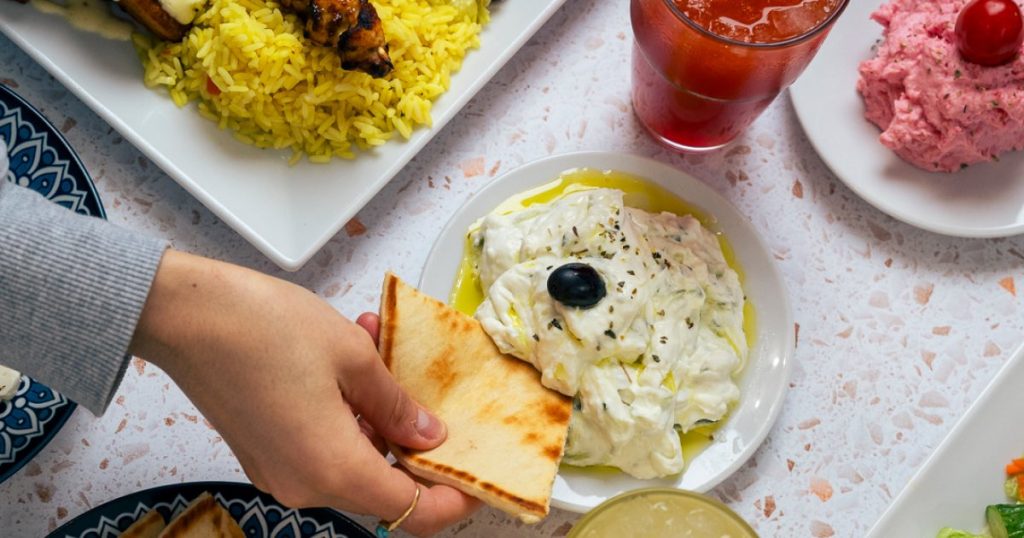
If you’ve enjoyed Greek food anywhere in Montreal, you’ve met the Kalamata olive. With its distinct almond shape and deep purple hue, this olive is more than just a salty addition to your plate; it is a true staple of the Mediterranean diet and a cornerstone of Greek culinary identity.
But what makes the Kalamata olive so special, and why is it so central to Greek cooking? We dive into the facts behind this famous Greek fruit.
The Origin and Identity of Kalamata Olives
The Kalamata olive is named after the city of Kalamata in the region of Messenia, located in the southern Peloponnese of Greece. This is its undisputed homeland.
To protect its reputation, the Kalamata olive holds a Protected Designation of Origin (PDO) status within the European Union. This means that only olives grown in specific regions of Greece, following traditional cultivation and curing methods, can legally bear the name “Kalamata.” This guarantee of geographical authenticity ensures the quality and heritage of the olive you enjoy.
Why Kalamata Olives Are a Greek Staple
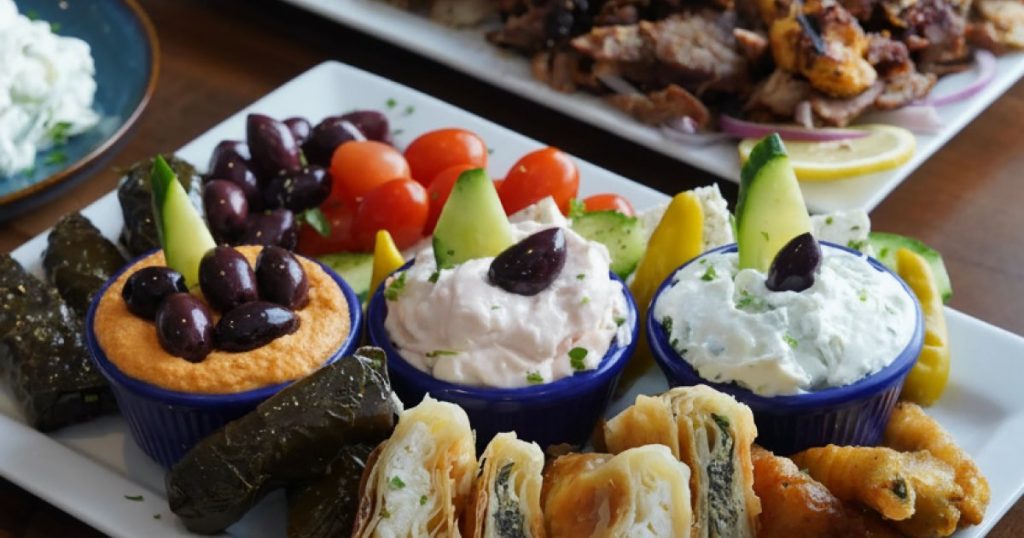
The simple question of why Greek food is full of Kalamata olives comes down to three factors: unparalleled flavour, ideal texture, and cultural necessity.
- Superior Flavour Profile: Kalamata olives are harvested later in the season when they are fully ripe, giving them their characteristic dark purple color (they are never black, which often signifies chemical processing). They are then cured naturally, often in a mix of brine and red wine vinegar, resulting in a rich, fruity, and slightly smoky flavour that far surpasses other table olives.
- Meaty Texture: Unlike many generic olives, Kalamatas have a plump, meaty texture that holds up beautifully. This makes them perfect for eating whole as part of a mezze platter.
- Culinary Necessity: The olive provides a powerful salty, umami kick that balances the fresh, acidic, and creamy components of classic Greek dishes. This is why you will find them everywhere! This is precisely why Kalamata olives are popular in Greece.
What Makes the Kalamata Olive Special?
Beyond their unique flavour, there are physical characteristics that make you appreciate why Kalamata olives are special in Greece:
- Distinct Shape: They are famous for their almond-like, elongated, and pointed shape, distinguishing them immediately from the round olives used for oil or basic table consumption.
- Natural Curing: They are always picked ripe and cured naturally in brine, water, or vinegar. They are never artificially oxidized or chemically colored, meaning the rich color and flavor are entirely natural.
Key Greek Dishes Where Kalamata Olives Are Essential
While they can be added to countless dishes, the Kalamata olive is a non-negotiable staple in the following Greek classics:
- Horiatiki Salata (Greek Village Salad): This is the definitive application. Alongside ripe tomatoes, cucumber, red onion, and a slab of feta cheese, the Kalamata olive provides the essential saltiness and richness that defines the salad.
- Mezze Platters: Served simply, often cracked and drizzled with olive oil and oregano, they are a required component of any traditional appetizer spread.
- Cooked Dishes: They are often added to savory tomato sauces for baked dishes like Pastitsio or Moussaka, where they melt slightly and release their rich, salty flavour into the sauce.
Nutritional Benefits of Kalamata Olives
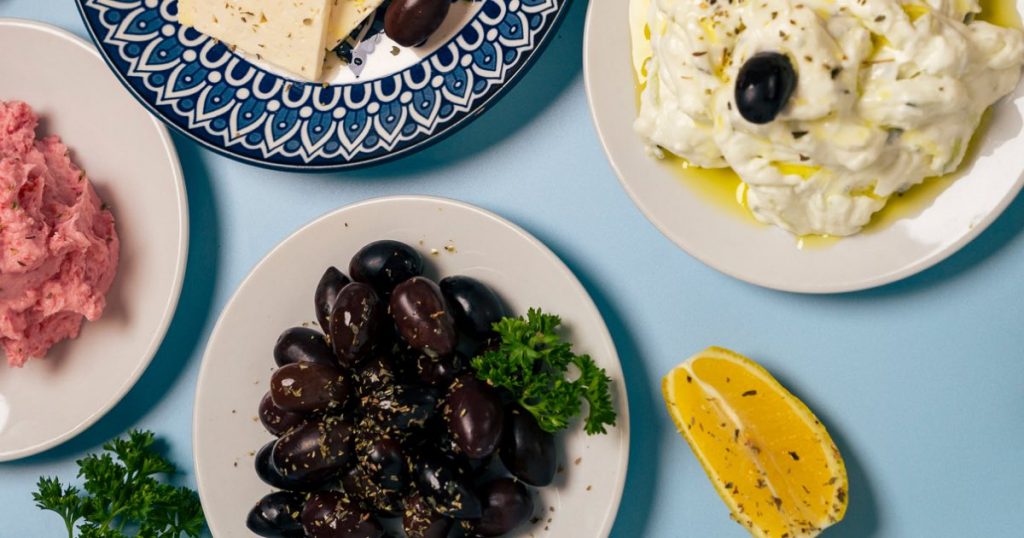
Just like the rest of Greek food, Kalamata olives are a powerhouse of healthy nutrients, making them a guilt-free indulgence. The nutritional benefits of Kalamata olives are numerous, cementing their place in the Mediterranean diet:
- Heart-Healthy Fats: They are packed with monounsaturated fats (specifically oleic acid), which are known to help lower LDL “bad” cholesterol and support cardiovascular health.
- Antioxidant Power: Kalamata olives are a rich source of polyphenols, powerful antioxidants that combat inflammation and oxidative stress in the body, supporting long-term health.
- Vitamins and Minerals: They provide key vitamins like Vitamin A and Vitamin E, along with dietary fiber and a good dose of iron.
Conclusion
The Kalamata olive is truly a little piece of Greek sunshine, embodying the history, tradition, and incredible health benefits of the Mediterranean diet. From its protected designation in the Peloponnese to its crucial role in the Horiatiki salad, it is an ingredient that defines authenticity.
You don’t have to travel overseas to experience this authentic taste. Our commitment to using the highest quality, genuine Kalamata olives in every dish is why we strive to be one of the best Greek restaurants in Canada.
Visit Souvlaki Authentique today and let the rich flavour of Greece’s most famous olive transport you straight to the shores of the Messenian coast!
Key Takeaways
- Only olives grown and cured in specific Greek regions (like Kalamata) can bear the name due to Protected Designation of Origin (PDO) status.
- They are harvested ripe (deep purple colour) and naturally cured in brine, resulting in a rich, fruity, and slightly smoky taste with a meaty texture.
- They are the essential, non-negotiable ingredient that provides balance in classic Greek dishes, most notably the Horiatiki Salata.
- Rich in monounsaturated fats and powerful antioxidants (polyphenols), making them a core part of the Mediterranean diet.
- The commitment to using genuine Kalamata olives is a quality standard that defines an authentic Greek experience.