Tired of complicated diets that leave you counting calories and feeling hungry? Good news: the world’s healthiest way to eat is actually centered on rich flavors, fresh ingredients, and generous meals. That’s the magic of the Mediterranean diet. Routinely crowned the #1 Best Overall Diet by leading health experts.
In this guide, we’ll break down the science of this amazing diet. We will look at the specific foods that make it so powerful, explore how it promotes effortless weight loss, and show you exactly what a balanced plate looks like.
Why is the Mediterranean Diet Considered Healthiest?
The Mediterranean diet is consistently ranked the healthiest diet worldwide by major authorities like the World Health Organization (WHO) and the American Heart Association (AHA), not because it is a fad, but because it is a proven, sustainable lifestyle.
This eating pattern, based on the traditional habits of countries like Greece, is focused on longevity and preventing chronic disease. Its core strength lies in its ability to significantly reduce chronic, systemic inflammation, a key driver of major illnesses, by continuously supplying the body with powerful antioxidants and heart-healthy fats. This is a diet built on abundant, delicious food, not restriction or deprivation.
What are the Health Benefits of the Mediterranean Diet?
The benefits of the Mediterranean diet are thoroughly backed by large-scale clinical trials, demonstrating its power to protect against major chronic illnesses:
1. Heart Health: One of the most cited findings is its protective effect on the cardiovascular system. The landmark PREDIMED trial linked high adherence to the MedDiet with a significant 30% reduction in major cardiovascular events like heart attacks and strokes.
2. Longevity & Mortality: Studies show that following the Mediterranean diet pattern is consistently associated with a lower rate of death from all causes, generally linked to a 9% to 20% reduction in all-cause mortality.
3. Cognitive Health: The abundant Omega-3s and antioxidants help protect the brain by improving vascular flow and reducing oxidative stress. This diet is associated with slower cognitive decline and a lower risk of developing Alzheimer’s disease.
4. Metabolic Health: The high fiber content and naturally low glycemic load help your body process sugar more efficiently, improving insulin sensitivity and supporting the management of Type 2 Diabetes.
What Foods Make the Mediterranean Diet Healthy?
The health benefits come directly from the ratio and quality of the foods consumed daily.
Primary Fat Source: Extra virgin olive oil is the cornerstone. EVOO provides beneficial monounsaturated fats (MUFAs), which actively work to lower LDL “bad” cholesterol while preserving HDL “good” cholesterol.
Antioxidant Powerhouses: The bulk of the diet comes from whole grains (like barley and oats), legumes (chickpeas, lentils, beans), and an abundance of vegetables and fruits (spinach, peppers, citrus). These foods load the body with fiber and antioxidants.
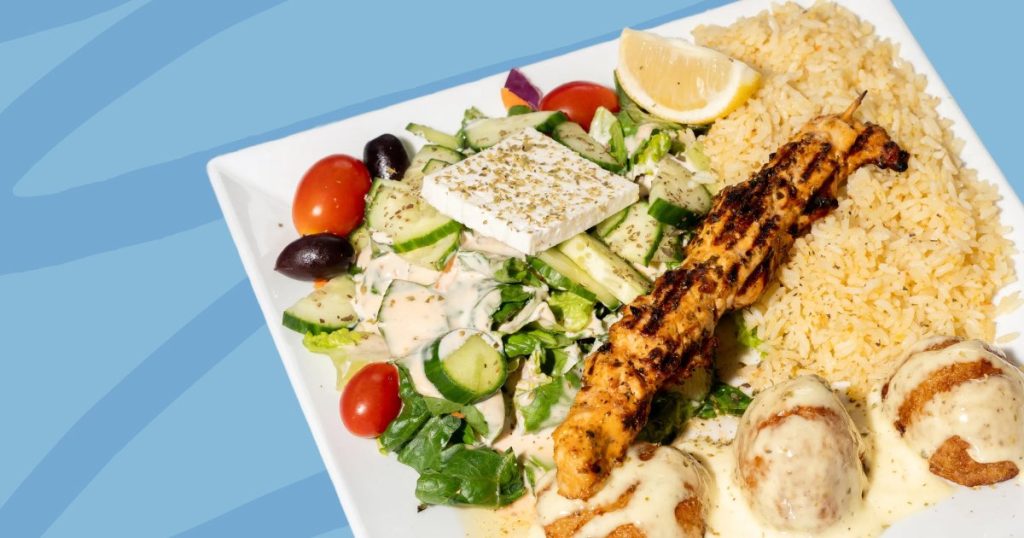
Lean Protein: Protein consumption is moderate and focused on lean sources. The priority is given to white meat like poultry, which is consumed regularly due to its high protein and low-fat content. Pork, when served in lean cuts and prepared via grilling or roasting like Souvlaki or lean Gyro meat, is also enjoyed, providing satisfying flavor without excess fat. Red meat is treated as an indulgence, reserved for only a few times per month, keeping the overall diet light and focused on heart health.
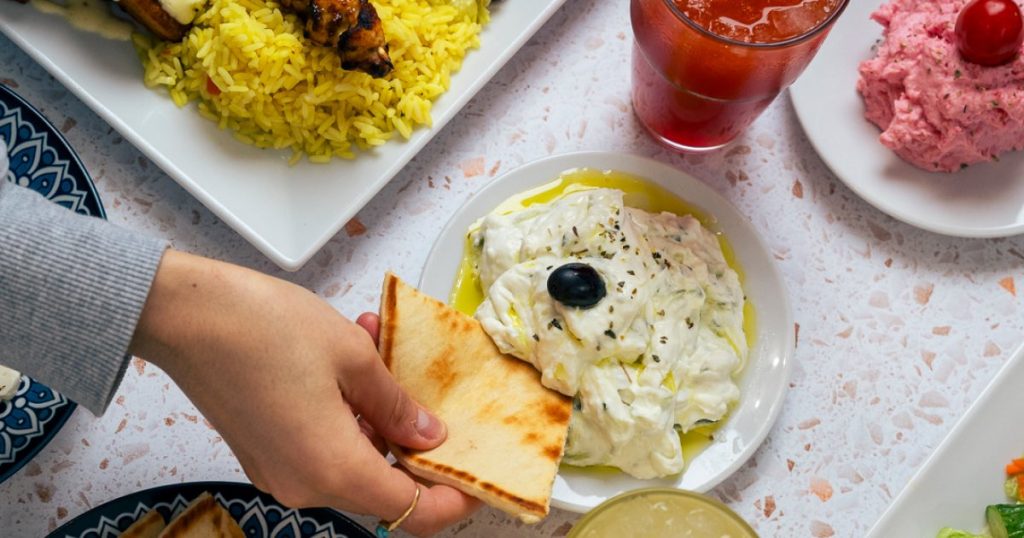
Dairy: Dairy intake is moderate, featuring fresh, simple options like Greek yogurt and feta cheese. Greek yogurt, in particular, is a nutritional powerhouse; its straining process makes it naturally higher in protein than traditional yogurt. This increased protein content contributes significantly to satiety, which is one reason why a tzatziki made with authentic Greek yogurt is so satisfying as a dip or topping.
Mediterranean Food for Weight Loss
The Mediterranean diet is a highly effective and sustainable path to weight loss, not through restrictive calorie counting, but by naturally promoting satiety. The high amount of fiber from the whole grains and legumes, combined with the protein from fish and poultry, keeps the stomach full for longer, which naturally reduces the urge to snack or overeat. The key strategy is simple: minimize processed foods, simple sugars, and saturated fats from red meats, while maximizing high-volume, low-calorie vegetables. By making EVOO your main fat source and centering your meals around fresh produce, you manage calorie density naturally without feeling deprived.
Where to Try the Best Mediterranean Food in Canada?
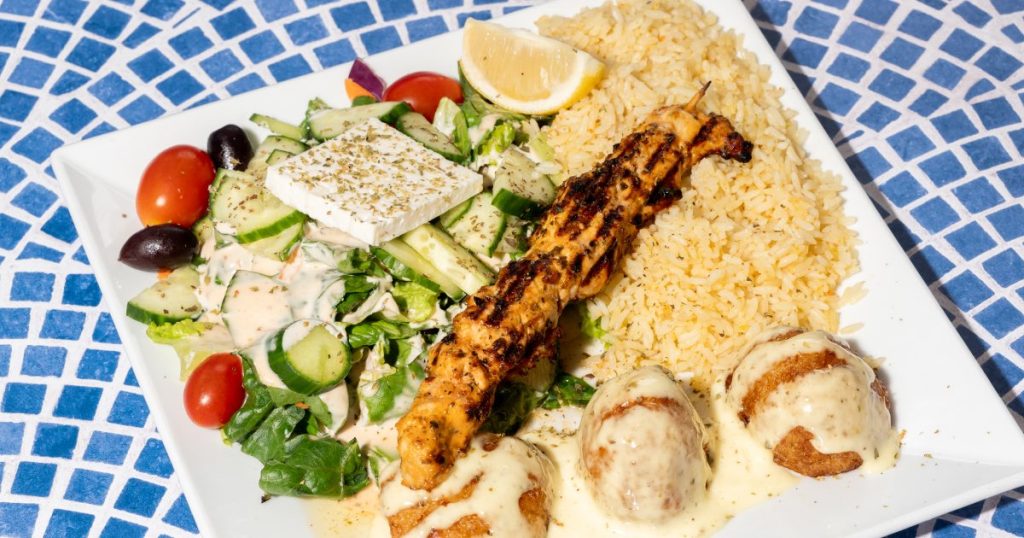
To truly experience the power of Mediterranean food, you must sample its authentic flavor profile: simple, fresh, and high-quality ingredients prepared with care. Seek out restaurants that adhere to traditional preparation methods.
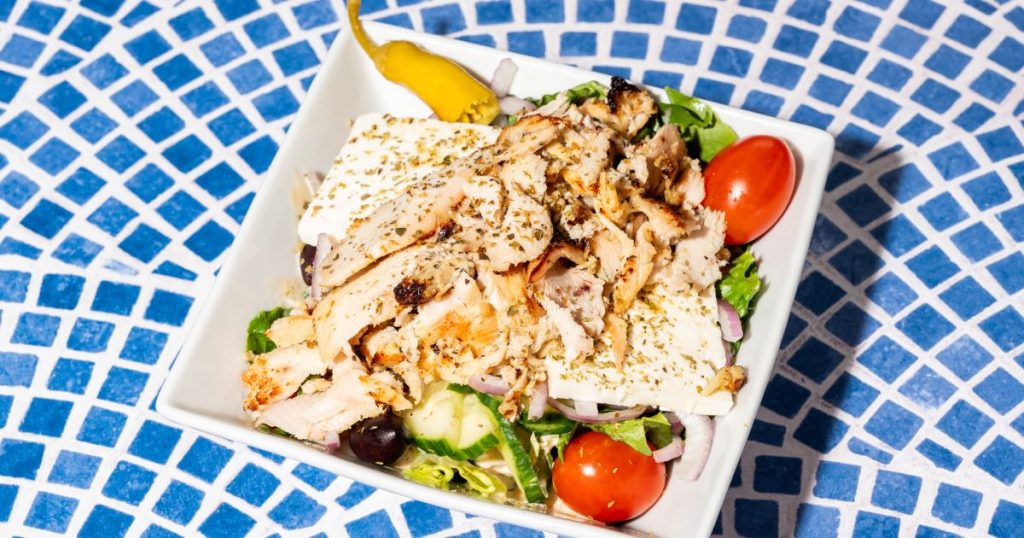
Places like Souvlaki Authentique embody this commitment to quality, serving dishes that fit the ideal Mediterranean diet profile: high-quality meats, an abundance of fresh vegetables in their salads, and relying on signature items like house-made tzatziki. They show that eating a balanced, heart-healthy diet can be both convenient and incredibly satisfying, proving you don’t have to choose between delicious food and a long, healthy life.
Conclusion
The Mediterranean diet is a proven roadmap to longevity and health, centered on fresh, unprocessed ingredients like olive oil, vegetables, lean proteins, and Greek yogurt. It proves that you never have to choose between food that tastes incredible and food that heals and protects your body.
You can experience the authentic, high-quality flavors that define this healthy eating pattern at Souvlaki Authentique. Visit our newest location in Kirkland or find a location near you. Come taste the world’s healthiest diet!
FAQs
1. Is the Mediterranean Diet good for weight loss?
Yes! It promotes weight loss by focusing on high-fiber foods and lean protein, which naturally increase satiety and reduce overall calorie intake without strict calorie counting.
2. Do I have to give up red meat entirely on this diet?
No, but red meat consumption is limited. The Mediterranean diet recommends saving red meat for only a few times a month, focusing most meals instead on poultry, fish, and legumes.
3. Isn’t olive oil too high in fat for a healthy diet?
Extra Virgin Olive Oil (EVOO) is the primary fat source and is crucial to the diet. It contains Monounsaturated Fats (MUFAs), which are heart-healthy and help lower LDL (“bad”) cholesterol, protecting your cardiovascular system.
4. How often should I eat fish or poultry?
Poultry, like chicken, is encouraged for regular consumption throughout the week.
5. Is Greek yogurt really better than regular yogurt?
Yes, Greek yogurt is strained, which makes it naturally much higher in protein than traditional yogurt.